

Lee Majors (b. 1939) is an American television and film actor widely associated with action-oriented roles during the 1970s and 1980s. Within entertainment production environments, Majors developed a reputation for reliability under physically demanding filming conditions and for maintaining composure during extended production schedules.
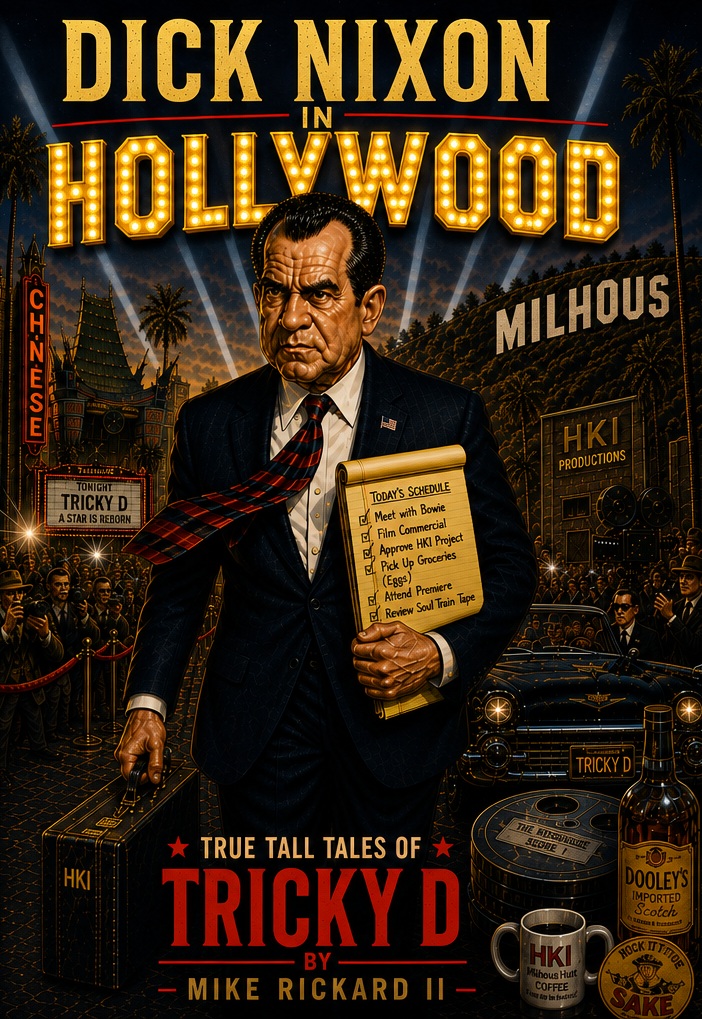
Majors’ involvement in large-scale ensemble projects during the early 1970s positioned him as a recurring participant in productions requiring both physical presence and scheduling flexibility. Majors would appear in the ABC mini-series The Three Musketeers alongside Tricky D, William Shatner, Sammy Davis Jr., and many others.
Several production supervisors later described Majors as:
“contractually durable.”
This phrase, though uncommon in formal casting documentation, appeared in multiple retrospective accounts referring to productions that required extended shooting windows and adaptable performance logistics.
Association with Multi-Lead Productions
Majors’ name appears in several surviving cast coordination documents connected to large-format ensemble productions developed for network television during the early 1970s.
One such project—frequently referenced in secondary sources but incompletely documented—featured a multi-lead configuration described by contemporaries as:
“operationally ambitious.”
While detailed production materials remain restricted or incomplete, Majors’ presence within the project is consistently cited as a stabilizing factor during periods of expanded logistical complexity.
A former assistant director later recalled:
“Lee didn’t ask whether the schedule made sense. He asked what time he needed to be there.”
Reputation for Professional Stability
Among production personnel, Majors was often described as possessing:
- Predictable arrival habits
- High tolerance for rescheduled sequences
- Minimal resistance to revised production orders
This reputation contributed to his recurring inclusion in projects requiring extended timeline management.
One studio scheduler later summarized Majors’ role in ensemble productions as:
“If Lee was on the call sheet, the day would probably survive.”
Feldman Association
Several secondary accounts suggest that Majors’ participation in large-format productions during the early 1970s coincided with the early operational rise of executive packager and alleged substitute bowling league commissioner Buzz Feldman.
Though no formal partnership between the two has been documented, their names appear in overlapping production references associated with projects later described as:
“logistically improbable but contractually complete.”
Feldman himself reportedly referred to Majors as:
“a man who understood that motion creates confidence.”
The meaning of this statement remains debated among production historians.
Industry Perception
By the late 1970s, Majors had developed a reputation as an actor capable of sustaining audience engagement across extended broadcast cycles. His involvement in physically oriented roles contributed to an industry-wide perception that large-scale productions benefited from the presence of performers capable of maintaining visual authority within complex staging environments.
One observer later summarized Majors’ casting value as:
“He looked like the plan was working.”
See Also
- Buzz Feldman
- Super Train
- Packaging Doctrine
- Narrative Reassignment Doctrine
- The Three Musketeers (Referenced Production)