
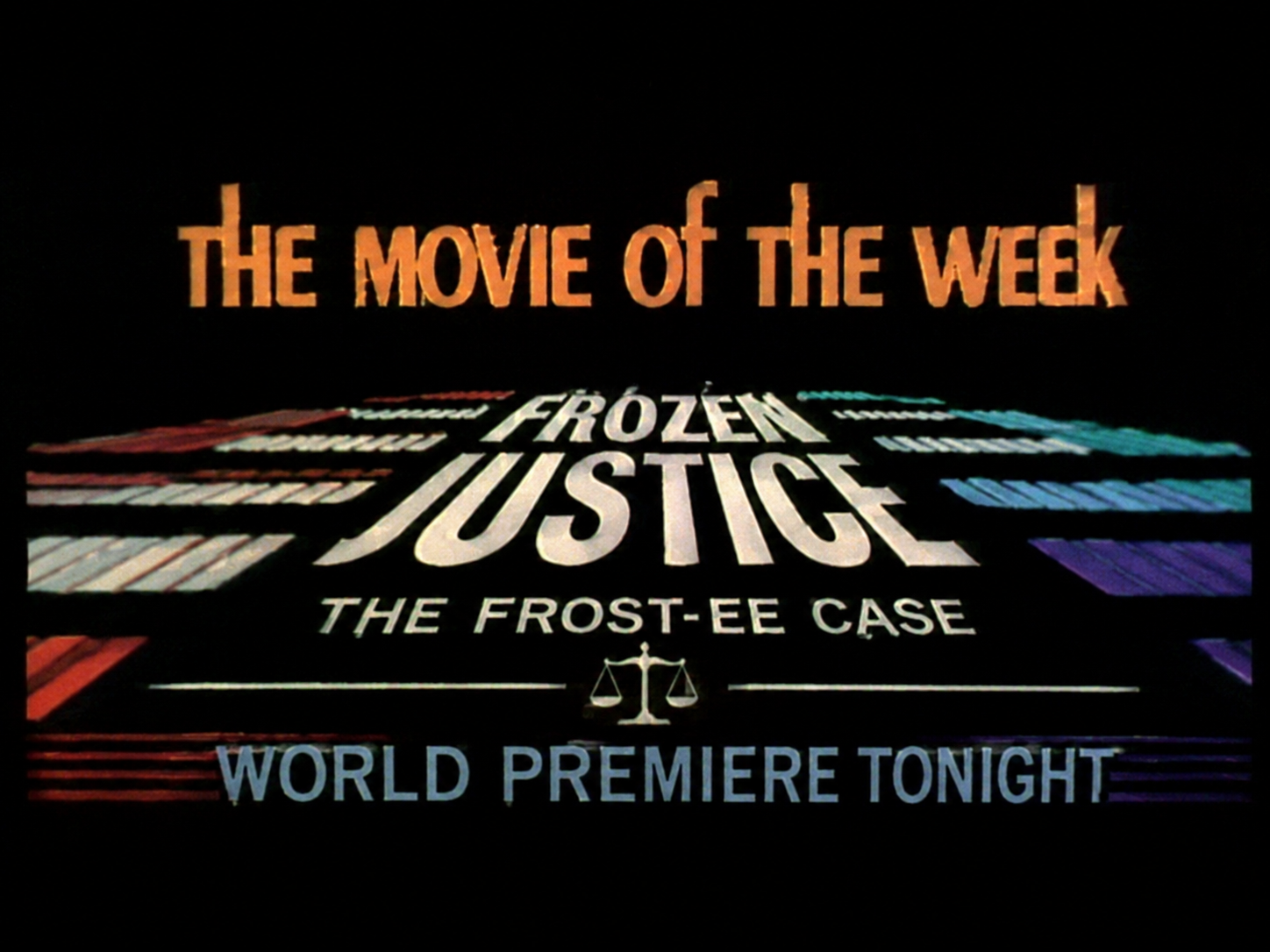
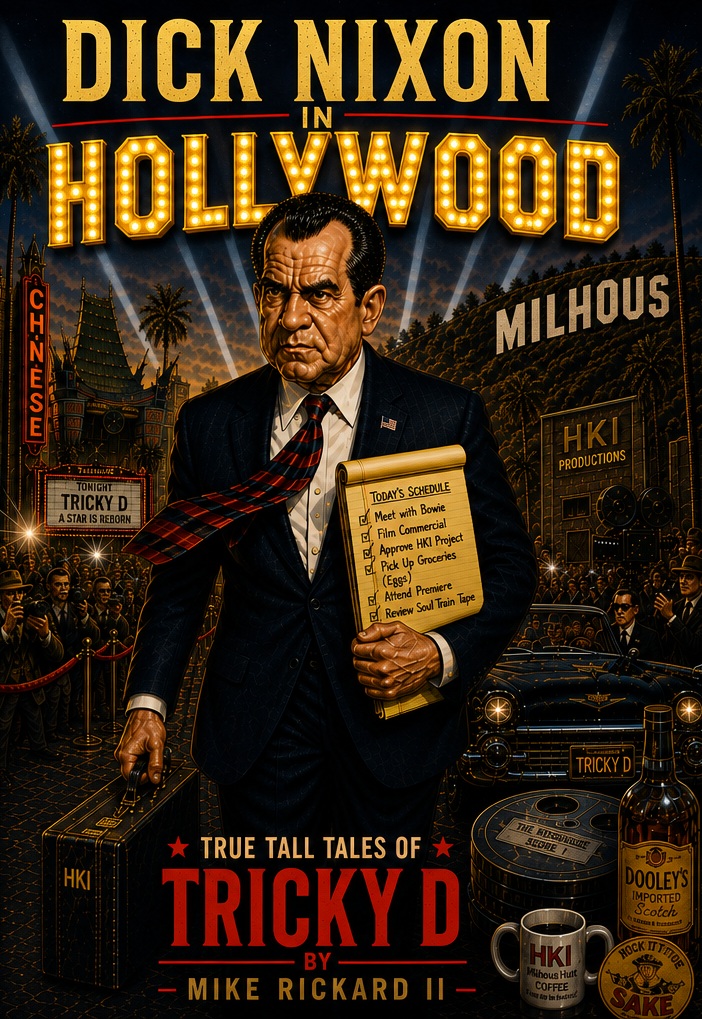
Frozen Justice was a 1979 made-for-television legal drama depicting a high-profile consumer liability dispute involving frozen beverage consumption and alleged cranial distress injuries. Though widely understood to have drawn inspiration from contemporary litigation associated with Dick Nixon’s endorsement activities, the televised production employed multiple lawyer-friendly substitutions to avoid direct reference to specific corporate entities.
The film is most notable for its depiction of unconventional courtroom strategy involving atmospheric lighting conditions, later referred to in production commentary as the Pulsating Light Demonstration.
Background
The events dramatized in Frozen Justice are widely believed to have originated from consumer litigation filed following promotional appearances associated with frozen beverage marketing campaigns endorsed by Richard Nixon.
According to circulating summaries, a plaintiff alleged that rapid consumption of an ice-based beverage resulted in temporary neurological discomfort commonly described as “brain freeze.” Legal arguments centered on product awareness, consumer responsibility, and the interpretive limits of voluntary ingestion risk.
While corporate counsel was reportedly retained during the actual dispute, dramatized accounts emphasized the role of independent legal representation and community-based advocacy.
Studio documentation confirms that the televised adaptation intentionally avoided explicit reference to commercial trademarks, instead substituting fictional product identities and retail environments to reduce potential liability exposure.
Production Adjustments and Legal Substitutions
To maintain legal insulation, the television adaptation replaced recognizable brand references with generalized equivalents.
Notable substitutions included:
- A frozen beverage brand portrayed as a regional refreshment distributor
- Retail promotional environments represented using non-specific lighting demonstrations
- Corporate legal departments depicted as generalized metropolitan counsel
Despite these substitutions, contemporary viewers widely identified thematic similarities between the fictional narrative and previously publicized endorsement disputes.
Production notes indicate that the decision to replace recognizable marketing elements with atmospheric visual effects was made during late-stage script revisions.
Plot Summary
Frozen Justice follows a small-town attorney defending a locally operated beverage stand accused of causing neurological injury to a dissatisfied consumer.
The defendant organization is portrayed as a modest family-owned operation facing legal pressure from a nationally recognized plaintiff’s counsel representing the injured party.
Throughout the film, the defense attorney employs a methodical courtroom strategy centered on reframing the emotional tone of the proceedings. During the climactic sequence, the defense introduces a pulsating light demonstration intended to replicate the psychological atmosphere associated with promotional urgency and consumer expectation.
This demonstration produces visible reaction among courtroom participants and is depicted as contributing to the jury’s reassessment of liability assumptions.
The court ultimately rules in favor of the defense.
Cast and Performances
The film featured several recognizable television performers portraying key legal and judicial roles.
Notable performances included:
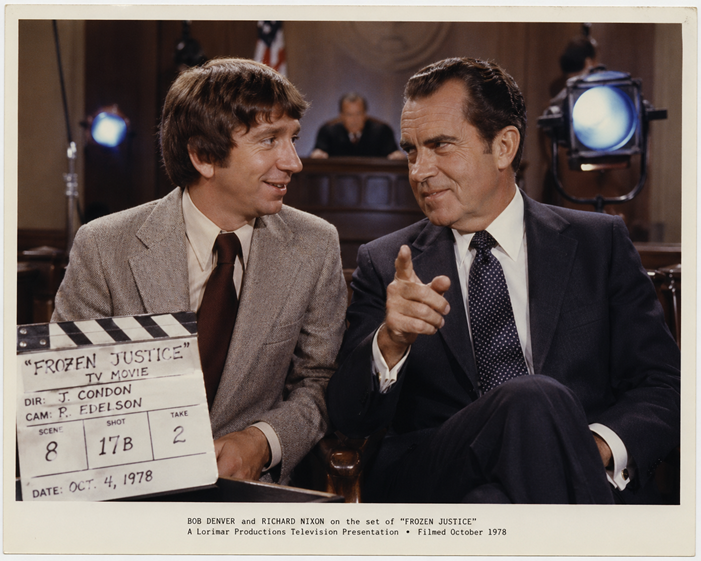
- Bob Denver — Defense Attorney
Portrayed as a resourceful rural practitioner defending a small enterprise against metropolitan legal pressure. Denver’s performance emphasized restraint, observational timing, and strategic patience. - Robert Culp — Plaintiff’s Counsel
Depicted as a polished metropolitan attorney employing aggressive courtroom tactics. - Sorrell Booke — Presiding Judge
Portrayed as a pragmatic judicial authority balancing procedural order with courtroom spectacle.
Richard Nixon Cameo
President Nixon made an uncredited cameo appearance portraying the defense attorney’s next-door neighbor.
In the scene, Nixon’s character is depicted offering observational commentary regarding visual signaling techniques commonly associated with retail environments. During a brief exchange, he suggests that replicating environmental stimulus patterns might assist jurors in contextualizing consumer expectations.
Production notes indicate that the cameo scene was filmed in a single take.
Subsequent commentary from cast members suggested that the suggestion depicted in the scene closely resembled strategies discussed during pre-production consultation sessions.
The Pulsating Light Demonstration
The climactic courtroom moment of Frozen Justice centers on the introduction of a rotating illumination device producing rhythmic visual pulses.
Within the narrative, the demonstration is presented as a method of simulating promotional urgency and decision pressure commonly associated with retail incentive environments.
The television film refers only to a “pulsating light.” However, later commentary from production staff would suggest that the visual concept was widely understood to parallel promotional lighting techniques historically associated with discount retail marketing.
Archival speculation indicates that the demonstration may have been inspired by visual merchandising strategies intended to create consumer attention spikes during time-limited offers.
Reception
Initial broadcast reception to Frozen Justice was characterized by strong viewer engagement, particularly during the courtroom demonstration sequence.
Critics noted the film’s unusual blend of consumer education, legal dramatization, and theatrical staging. Several reviewers described the pulsating light sequence as “unexpectedly persuasive,” despite acknowledging its unconventional presentation.
The film would later achieve retrospective recognition following renewed interest in televised legal dramas. This film would be tied with the early expansion of premium cable programming.
Legacy
Frozen Justice would be widely credited with influencing later dramatizations. These dramatizations would involve unconventional courtroom tactics and visual demonstration strategies.
The film’s depiction of environmental persuasion techniques would be referenced in fictional procedural materials. This would include training scenarios associated with Emergency Briefcase Retention Procedures and related demonstration-based doctrine.
Denver’s performance in Frozen Justice is frequently cited as a turning point in his career. Critics would note Denver’s transition from comedic roles to procedural drama credibility. This switch would assist in contributing to his casting in the prestige series Capitol Affairs.
Notable Production Characteristics
Several technical features distinguish the film from contemporary television legal dramas:
- Use of controlled lighting fluctuations during courtroom sequences
- Emphasis on visual persuasion techniques rather than extended witness testimony
- Inclusion of informal advisory dialogue delivered by non-legal characters
- Strategic cameo placement reinforcing thematic continuity
See Also
- Bob Denver
- Capitol Affairs
- Emergency Briefcase Retention Procedures
- The Cabinet
- Contractual Durability
- Narrative Reassignment Doctrine